

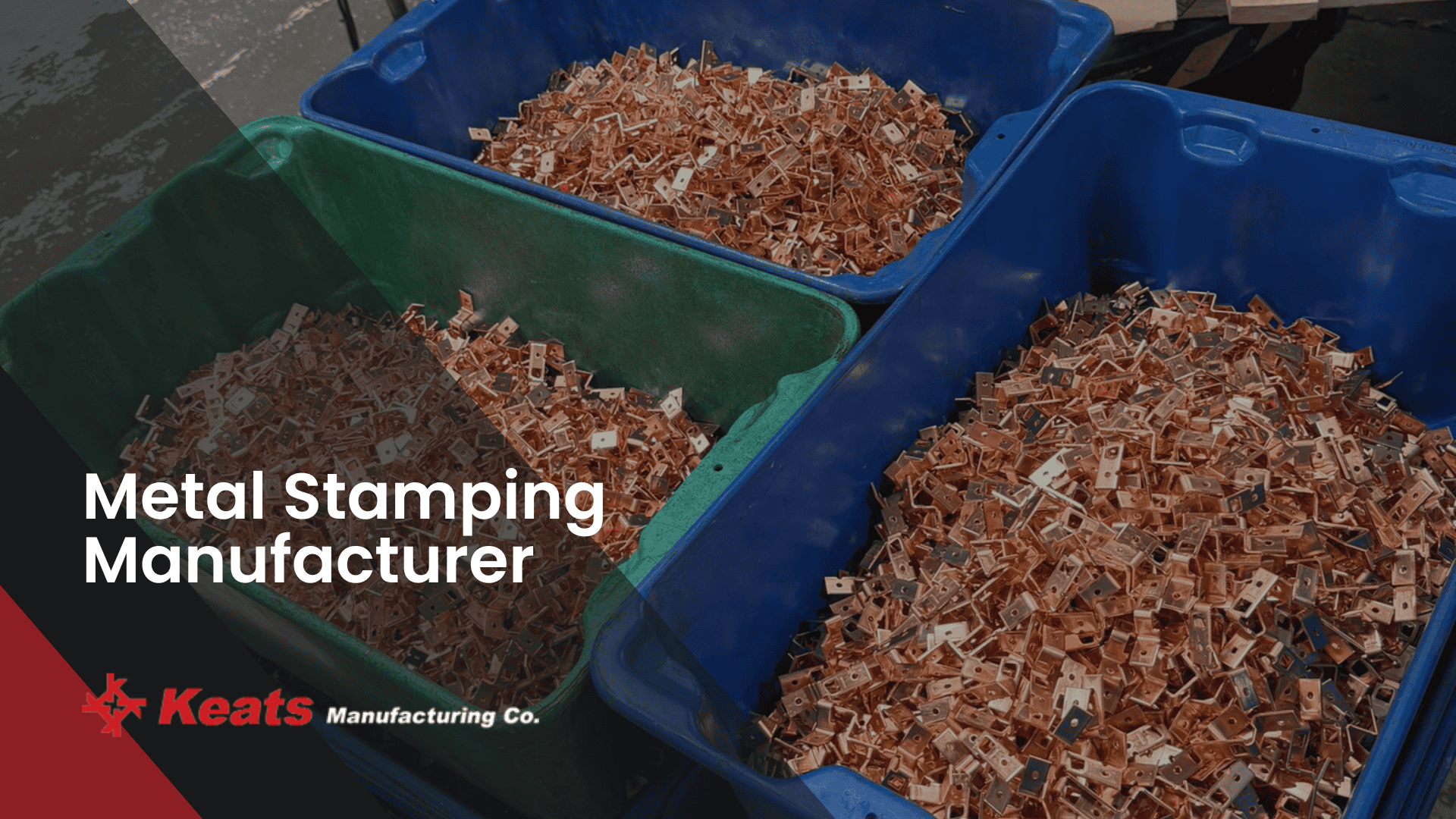
In today’s evolving industrial landscape, precision and efficiency are paramount. As organizations strive to optimize their manufacturing processes, the role of a custom metal stamping manufacturer becomes increasingly critical.
This article examines the intricacies of metal stamping, its market dynamics, and what to consider when selecting a provider. By understanding these elements, businesses can make informed decisions that enhance their production capabilities.
What are Metal Stamping Parts?
Metal stamping parts are components created through a series of processes that shape metal sheets into desired forms. This method is widely utilized across various industries, including automotive, aerospace, and medical devices, due to its ability to produce high-precision components in substantial quantities.
Common Materials Used in Metal Stamping
The choice of material meaningfully impacts the performance and application of metal stamping parts. Some of the most commonly used materials include:
Each material offers unique properties that cater to specific application requirements, making the role of a custom metal stamping manufacturer essential for tailored solutions.
In addition to these materials, Keats Manufacturing specializes in advanced alloys, offering further options for industries that require specific characteristics, such as enhanced strength or corrosion resistance. Our expertise in tool and die development ensures that we can create custom solutions tailored to our clients’ precise specifications.
How Big is the Metal Stamping Market?
The metal stamping market has witnessed substantial growth in recent years, driven by demand across various sectors.
According to industry reports, the global metal stamping market is projected to reach $200 billion by 2026, growing at a CAGR of 5.5%.
Key industries contributing to the growth of metal stamping include:
- ■Automotive: Expected to see significant growth over the next decade due to increasing demand for fuel-efficient vehicles, electric vehicles (EVs), and hybrids. Experts predict the electric vehicle market will grow to $1.3 trillion by 2028.
- ■Electrical Distribution: Relies on metal-stamped components for the transmission of energy.
- ■Appliances: Require high-quality metal-stamped components for optimal operation
Importantly, metal stamping companies in the USA are poised to capture a significant share of this market, thanks to their innovative solutions and advanced manufacturing capabilities.
Key Industries Driving Demand
Several industries are pivotal in propelling this growth, including:
| Industry | Demand Driver |
|---|---|
| Automotive | The need for lightweight, fuel-efficient vehicles has increased demand for precision metal components. |
| HVAC | Ai data center and infrastructure buildout has increased the demand for metal stamped parts to ensure these facilities are properly cooled |
| Medical Devices | The rise in healthcare technology necessitates reliable and precise components. |
| Data / Connectivity | AI data center buildout requirements have driven demand for high-performance connectivity stamped parts to record highs |
As a result, metal stamping manufacturers in the USA are positioned to capture significant market share by offering innovative solutions. Keats Manufacturing, with its ownership of one of the largest fleets of four-slide and power press machines in North America, is particularly well-equipped to meet the demands of these industries, providing high-volume production capabilities of up to 50 million parts.
Is Metal Stamping Expensive?
When evaluating the cost of metal stamping, several factors come into play:
- Material Costs: The type and quality of materials directly affect pricing.
- Complexity of Design: More intricate designs require advanced tooling, which can increase costs.
- Production Volume: Higher volumes often lead to lower per-unit costs due to economies of scale.
Cost Efficiency and Scalability
One of the advantages of working with a metal stamping manufacturer near me is the potential for cost efficiency and scalability. Manufacturers can optimize production processes and leverage just-in-time delivery to reduce inventory costs, ensuring that businesses can meet fluctuating demands without sacrificing quality.
At Keats Manufacturing, our just-in-time delivery model, combined with our extensive capabilities in secondary services such as plating, heat-treating, and stress-relieving, allows us to provide tailored solutions that enhance cost-efficiency for our clients.
In addition, our commitment to ISO 9001, ISO 14001, and IATF 16949 certifications ensures that every component produced meets stringent quality standards, further supporting our clients’ operational needs. By engaging in design-for-stamping discussions early in the project lifecycle, we can help clients reduce material costs and improve overall project efficiency.
Interestingly, many of the top 10 largest metal stamping companies leverage their scale to optimize production costs, allowing them to offer competitive pricing while maintaining high standards of quality. Understanding the strategies employed by these industry leaders can provide valuable insights into cost management and efficiency.
What Should I Consider When Choosing a Custom Metal Stamping Provider?
Selecting the right custom metal stamping manufacturer is essential for ensuring quality and reliability. Here are the key criteria to consider:
Proven track record in your industry
Tool/die and secondary services
ISO 9001 and IATF 16949
Clear updates and needs understanding
Additionally, consider metal stamping companies near me for localized support and faster turnaround times.
Evaluating these criteria together helps avoid common sourcing mistakes and supports long-term manufacturing success. Our blog, Key Considerations When Choosing a Metal Stamping Partner, outlines a structured approach to selecting the right supplier

What are the Key Features to Look for When Choosing a Stamping Manufacturer?
When selecting a metal stamping manufacturer, several features are pivotal:
- Precision: Look for equipment that can achieve tight tolerances, such as ±0.0002 in.
- Automation: Advanced automation capabilities can enhance efficiency and reduce labor costs.
- Maintenance Support: Reliable maintenance services ensure minimal downtime and prolonged equipment lifespan.
Importance of Technology and Innovation
Staying ahead in the competitive landscape requires a manufacturer that embraces technology and innovation. This commitment ensures that they can meet evolving industry standards and customer demands, solidifying their position as a leader among metal stamping companies in the USA. For instance, Keats Manufacturing operates one of the largest fleets of four-slide / multi-slide stamping and forming machines in North America, including unique Wünsch multi-slide machines, which enhance precision and production efficiency.
What is the Difference Between Die Cast and Stamping?
Understanding the differences between die casting and stamping is essential for selecting the right manufacturing process for your needs.
Die Casting: This process involves forcing molten metal into a mold, resulting in complex shapes with smooth surfaces. Commonly used for non-ferrous metals, die casting is ideal for high-volume production of intricate components.
Metal Stamping: In contrast, metal stamping shapes flat sheets of metal into desired forms through cutting, bending, and forming processes. It is widely used for producing high-precision parts in various industries. A custom metal stamping manufacturer can tailor these processes to meet specific design requirements and tolerances.
| Process | Advantages | Disadvantages |
|---|---|---|
| Die Casting |
|
|
| Metal Stamping |
|
|
Choosing between these methods depends on your specific requirements, including material, complexity, and production volume. Consulting a metal stamping manufacturer near me can provide tailored guidance.
How Much Does It Cost to Get a Die Made?
The cost of tooling (including the dies) varies meaningfully based on several factors:
- Complexity of Design: More intricate dies require advanced engineering and tooling, increasing costs.
- Material Selection: The choice of material for the die itself can influence pricing.
- Manufacturer Experience: Established manufacturers may charge more due to their expertise and reliability.
Average Cost Range
$10,000 to $75,000
Depending on part size and complexity
On average, the cost of tooling (including the dies) is a major component of the manufacturing process, and several factors determine these costs. The expense associated with dies is addressed through the lens of economic analysis (an economic feasibility analysis determines the cost of the part, production, and tooling), complexity (For traditional press stamping, creating sharper bends and more detailed cuts requires more expensive, specialized tooling), and manufacturing methodology (four-slide stamping typically requires a lower initial tooling investment compared to other fabrication techniques).
Generally, stamping dies produced by Keats can range from $10,000 to $75,000, depending on the size and complexity of the part being produced by the die. It’s essential to budget accordingly and consider the long-term benefits of investing in high-quality dies for your production needs. Additionally, the cost of producing metal stamping parts through these dies must also be factored in, as the efficiency and precision of the die will directly impact the overall production costs.

Understanding the dynamics of the metal stamping industry and selecting the right metal stamping manufacturer can considerably enhance your manufacturing capabilities.
Additional Considerations for Selecting a Custom Metal Stamping Provider
When evaluating potential partners, consider the following enhanced criteria:
- In-House Tooling Capabilities: A manufacturer like us offers in-house tool and die development with a lifetime guarantee. This ensures that your tooling is precisely tailored to your specifications, reducing lead times and enhancing quality control.
- Volume Production Capacity: Assess the manufacturer’s ability to handle your production volume. Keats can produce up to 50 million parts, making it a strong candidate for high-volume projects.
- Secondary Services: Look for providers that offer a comprehensive range of secondary services such as plating, heat-treating, deburring, degreasing, and stress-relieving. We integrate these services, which can streamline your supply chain and reduce the need for multiple vendors.
- Geographical Advantages: Consider manufacturers with strategically located facilities. Keats operates three state-of-the-art campuses in Illinois, Texas, and Mexico, allowing for efficient logistics and just-in-time delivery.
- Compliance and Quality Assurance: Ensure that the manufacturer adheres to rigorous quality standards. Keats is compliant with ISO 9001, ISO 14001, and IATF 16949, which guarantees that their processes meet industry benchmarks for quality and environmental management.

Conclusion
In the evolving landscape of manufacturing, selecting a custom metal stamping provider can significantly impact your operational efficiency and product quality. By considering factors such as experience, capabilities, and technological advancements, you can make an informed decision that aligns with your specific needs.
At Keats Manufacturing, we are dedicated to delivering precision-engineered solutions tailored to your requirements. Our extensive capabilities, commitment to quality, and innovative technologies position us as a leader in the metal stamping industry.
Ready to elevate your manufacturing process?
Explore our comprehensive range of services, including custom small metal stampings, wire forms, and assemblies. Connect with our engineering team today to discuss your specific requirements and discover how Keats Manufacturing can provide tailored solutions that meet your needs.