

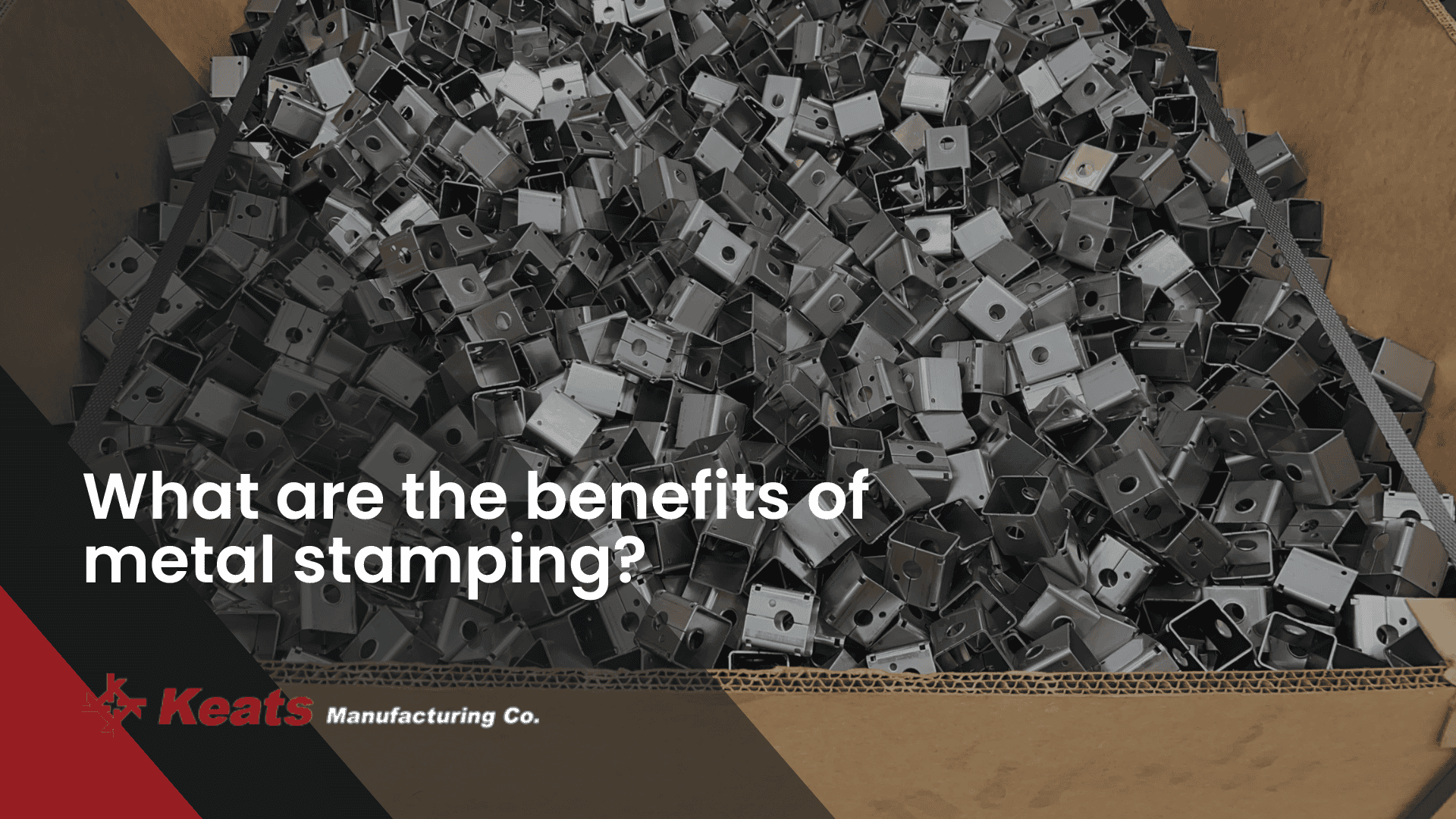
Metal stamping is a cornerstone of modern manufacturing, offering a range of advantages that enhance efficiency, precision, and cost-effectiveness. As industries continue to demand high-quality components, understanding the benefits of metal stamping becomes essential for engineering and procurement professionals. In this article, we will explore the purpose of stamping, its applications across various sectors, the advantages over traditional methods, potential drawbacks, and considerations for materials like stainless steel.
What is the purpose of stamping?
Metal stamping is a manufacturing process that involves converting flat metal sheets into specific shapes using a series of dies and presses. This technique plays a crucial role in various industries, providing a reliable method for producing high-quality components.
Basic Mechanics of the Metal Stamping Process
- Material Selection: Choosing the appropriate metal based on application requirements.
- Die Design: Custom dies to shape the metal according to specifications.
- Stamping: Applying pressure to the metal sheet with a stamping press, which shapes the material into the desired form.
- Finishing: Implementing secondary processes such as plating or coating to enhance durability and performance.
This method is especially favored for its ability to produce intricate designs with tight tolerances, making it ideal for high-volume production.
What are metal stampings used for?
Metal stampings find applications across a multitude of industries, showcasing their versatility and essential role in manufacturing. Some examples include:
Used for components such as brackets, clips, and electrical terminals.
Essential for producing parts like connectors and housings.
Critical in the manufacture of precision components that meet stringent regulatory standards.
The focus is on high volume / low cost.
For those seeking reliable solutions, partnering with automotive stamping companies can ensure the delivery of high-quality components tailored to specific needs.
Can you explain the key advantages of using stamping over traditional methods?
When comparing stamping techniques to traditional manufacturing methods like die casting and machining, several key advantages come to light:
Extreme Precision Metric±0.0002 in.
Maximum tolerances achievable for complex applications.
When these advantages are paired with custom tooling and process optimization, the impact on performance and scalability becomes even greater. Our blog Benefits of Custom Metal Stamping explores how tailored stamping solutions amplify these benefits.
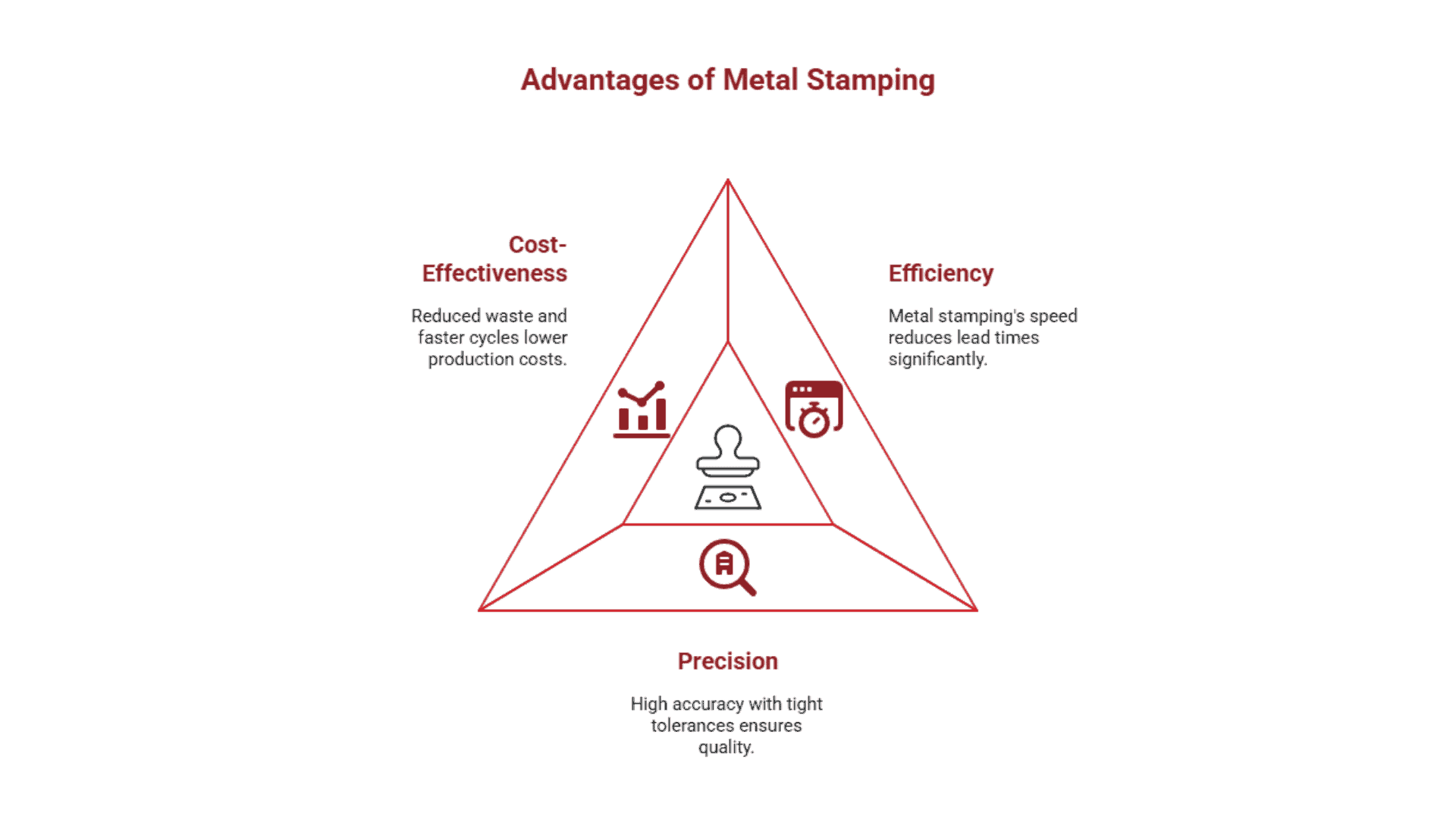
These benefits make metal stamping a preferred choice for industries that demand both quality and efficiency in their manufacturing processes. Notably, Keats Manufacturing operates one of the largest fleets of four-slide machines and power presses in North America, enabling the production of complex shapes and designs with high precision.
What are the disadvantages of metal pressing?
While metal stamping offers numerous advantages, it is essential to consider potential drawbacks:
- Material Waste: Depending on the design, there can be significant scrap material generated during the stamping process.
- Initial Setup Costs: The cost of developing custom tooling and dies can be high, which may deter some businesses from adopting this method.
- Material Limitations: Not all materials are suitable for stamping, and some may require specialized techniques or tools.
Understanding these limitations is crucial for making informed decisions about manufacturing processes.
Can you stamp stainless steel?
Yes, stamping stainless steel is feasible, but it requires specific considerations and techniques. The properties of stainless steel, such as its strength and ductility, present unique challenges during the stamping process.
Techniques and Tools Required
To effectively stamp stainless steel, manufacturers often employ:
- High-Strength Tools: Specialized dies are necessary to handle the toughness of the material.
- Lubrication: Proper lubrication is essential to reduce friction and prevent tool wear.
- Sheet Metal Design Guidelines: Following sheet metal design guidelines can help ensure successful stamping outcomes by optimizing part geometry.
By utilizing the right techniques and tools, manufacturers can achieve high-quality stainless steel components that meet rigorous industry standards. Keats Manufacturing’s in-house tool and die development ensures that tooling is tailored to specific needs, backed by a lifetime guarantee.
Conclusion
In summary, the benefits of metal stamping are significant, providing efficiency, precision, and cost-effectiveness that are vital for high-volume production. From automotive components to medical devices, the versatility of metal stampings makes them indispensable in various industries. Understanding both the advantages and limitations of this process equips engineering and procurement professionals to make informed decisions.
Ready to explore the world of metal stamping?
Discover how our custom metal stamping solutions can transform your projects. Visit our offerings at Keats Manufacturing or contact our engineering team to discuss your specific requirements!
Frequently Asked Questions
What are the major advantages of using metal stamping in manufacturing?
Metal stamping offers several significant advantages through Keats Manufacturing Co.:
- Precision: Our advanced CNC technology allows for intricate designs with tolerances as tight as ±0.0005 in. for stamping.
- Efficiency: Utilizing our state-of-the-art four-slide machines, we significantly reduce production time while maintaining quality.
- Custom Solutions: Our in-house tool & die development ensures that we meet specific client needs effectively and innovatively, backed by a lifetime guarantee.
How does metal stamping contribute to cost savings?
Metal stamping contributes to cost savings by offering several efficiencies:
- High-speed production: Rapid processing reduces labor costs and increases output.
- Material efficiency: Precision techniques minimize waste, optimizing material use.
- Scalability: Economies of scale lower per-unit costs for large orders.
- Tooling longevity: Durable dies reduce the need for frequent replacements.
- Automation potential: Streamlined automation further decreases production expenses.
What industries benefit most from metal stamping?
Various industries benefit from metal stamping, and at Keats Manufacturing Co., we specialize in:
- Automotive
- Electrical distribution
- Appliance
- Industrial
- HVAC
- Medical
- Telecommunications
- Solar and renewable energy
- Irrigation
- General machinery
Can metal stamping be used for complex shapes and designs?
Yes, metal stamping excels in producing complex shapes, and Keats Manufacturing Co. offers:
- Precision Engineering: Our state-of-the-art Wünsch multi-slide machines ensure tight tolerances for intricate designs, achieving precision up to ±0.0003 in. for stamping.
- Custom Tooling: We collaborate closely with clients to create tailored tooling that meets specific design needs, backed by our in-house tool & die development.
- Material Adaptability: We work with various metals, allowing for diverse applications and design complexities.
What is the role of quality assurance in metal stamping?
At Keats Manufacturing Co., quality assurance is paramount in metal stamping, featuring:
- Advanced Technology: We utilize our unique Wünsch multi-slide machines and state-of-the-art equipment to enhance precision and efficiency, ensuring high-quality, consistent parts.
- Comprehensive Inspections: Our team conducts detailed inspections throughout the production process, including in-house tool & die development, to ensure each part meets our stringent specifications.
- Customer Satisfaction: We prioritize client feedback to continuously improve our quality standards and adhere with ISO 9001, ISO 14001, and IATF 16949.
How does metal stamping improve product durability?
Metal stamping enhances product durability by leveraging precise and consistent manufacturing techniques. Key benefits include:
- Superior Strength: Metal stamping processes like deep drawing increase the tensile strength of components.
- Material Efficiency: Optimizes metal properties, ensuring less wear and tear over time.
- Precision Engineering: Produces uniform parts, reducing weak spots that could lead to failure.
- Cost-Effectiveness: Enables mass production without compromising quality, ensuring long-lasting products.
What types of materials can be used in metal stamping?
Metal stamping accommodates a diverse range of materials, each offering unique properties for specific applications:
- Steel: Ideal for strength and durability.
- Aluminum: Lightweight and corrosion-resistant.
- Copper: Excellent electrical conductivity.
- Brass: Good machinability and corrosion resistance.
- Stainless Steel: Offers high corrosion resistance and strength.
Choosing the right material enhances performance and cost-efficiency in manufacturing processes.
How does Keats Manufacturing Co. ensure environmental compliance in metal stamping?
Keats Manufacturing Co. prioritizes environmental compliance in metal stamping through several key initiatives:
- Adherence to stringent environmental regulations and standards.
- Implementation of waste reduction and recycling programs.
- Utilization of eco-friendly materials whenever possible.
- Continuous monitoring and improvement of energy efficiency in operations.
- Regular training for employees on sustainable practices and compliance requirements.
These actions ensure that our processes align with both industry standards and environmental responsibilities.