

The medical industry, including the medical instrument, medical device, and especially the medical implant sectors, is growing at an exceptional rate. As innovations are made and introduced to the market rapidly, the field continues to grow and evolve.
At the same time, the medical industry as a whole — plus manufacturers, care providers, and the public — is challenged by rising healthcare costs as prices rise nearly as quickly as technologies adapt. This puts medical instrument and medical device manufacturers in a uniquely challenging position as they must balance quality — a non-negotiable factor in the health field — with efficiency, and speed with precision.
For example, medical devices are now being designed to be smaller and more discreet. Smaller components, some of which have super-tight tolerances on the micron level, can be difficult to manufacture, so companies often turn to machining to have these components produced. Machining, though, can be very costly and time consuming.
The Benefits of Metal Stamping for Medical Devices
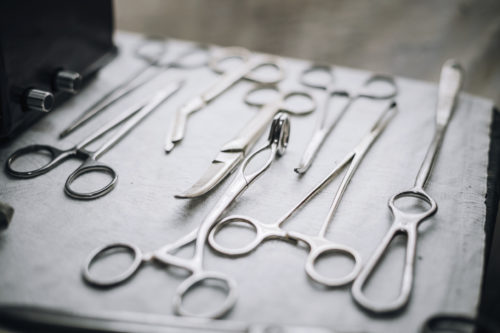 Metal stamping, often overlooked in favor of machining when it comes to small and complex parts, has seen its own share of technological advances over the years. Today, metal stampers can stamp very small, very complex shapes to the exact specifications required by the medical industry.
In fact, metal stamped components are already in use in a range of medical instruments, devices, and implant components. Here is just a small sampling:
Surgical Instruments
Jaw housings are crucial components of the devices used during laparoscopic surgery. Small and perfectly cylindrical, jaw housings are traditionally machined from a metal tube. In fact, it used to be widely believed that this was the only way to manufacture them — that metal stamping could not physically produce them. However, jaw housings can be stamped to tolerances well within those required by the health care industry and are generally half as expensive as machined ones.
 Device Enclosures
 Device Enclosures
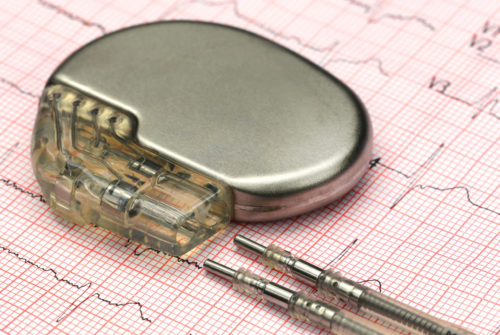
Various medical devices are designed for permanent implantation into the human body, including drug pumps, cochlear devices, pacemakers, and internal defibrillators. These products require enclosures — almost exclusively made of titanium — to protect them from the human body, which can reject foreign objects. Today, with the proper tool design considerations, titanium can be stamped as easily as steel.
Implantable Components
Then there are implantable components, encompassing internal components of implantable devices such as battery cases and freestanding medical components such as brackets, clips, and clamps. Implantable components are incredibly small — smaller than a human fingernail or scalpel tip. With the advent of cutting-edge microstamping equipment and techniques, metal stampers can now expediently and cost-effectively manufacture these tiny components.
Learn More
 These are just a few examples of the complex medical-grade components that metal stampers can now offer to medical device manufacturers and others operating in the health care field. In the continual balancing act between quality and cost, it’s time to explore metal stamping as a viable production process.
Ready to take a deeper look into the design of precision metal stamped medical device components? Download our newest eBook to learn more about design considerations, prototyping utilization, materials, and more criteria for metal stamped medical components.